Dex: Crystalline Typography for High-Impact Design
In the crowded digital landscape, a brand's visual identity must cut through the noise with precision and power. This is where Dex, a high-octane display typeface, enters the conversation. It is not merely a collection of letters; it is a design tool engineered for impact. Dex captures a unique "crystalline-and-kinetic" soul, offering designers and creators a way to inject immediate energy, luxury, and futuristic edge into their projects. Understanding its specific characteristics and ideal applications can help you determine if it's the right asset for your creative toolkit.
Anatomy of a High-Impact Typeface
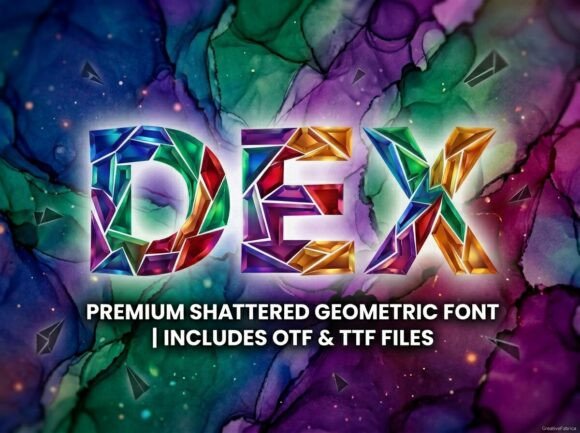
What defines Dex at its core? Its foundation is the thick, bold geometric block letterform. This ensures maximum legibility and presence, even at smaller sizes or from a distance. However, its true distinction lies in the details. Each character is constructed with multi-faceted shard structures and precise low-poly angles. This design philosophy simulates the look of premium shattered gemstones or prisms. The result is a typeface that feels both solid and dynamic, as if it's in a state of controlled, explosive energy.
This "hyper-reflective personality" is more than an aesthetic choice. It bridges two powerful visual worlds: the sleek, polished finish of high-end digital design art and the aggressive, electrifying energy of modern e-sports gaming branding. For a designer, this means a single font can communicate sophistication and raw power simultaneously. It solves the common problem of needing a typeface that feels premium yet edgy, technical yet artistic.
Practical Applications and Meaningful Outcomes
The value of Dex is realized in its application. Its heavy footprint makes it unsuitable for body text, but it excels as a headline and display font where immediate emotional impact is the goal. Consider these specific, practical scenarios where Dex can directly improve results.
For Independent Game Developers and Studios
Creating a mobile game interface or a title screen requires a font that promises excitement. Dex delivers this instantly. Its low-poly, geometric structure aligns perfectly with the visual language of many digital and mobile games, suggesting a world of sharp graphics and fast-paced action. Using Dex for game titles, menu headers, or achievement notifications can strengthen the game's thematic presentation, making it feel more polished and professionally produced. It helps communicate the game's genre and energy level at a single glance, which is crucial for store page conversions and first impressions.
In Product Packaging and Merchandise
For boutique energy drinks, performance supplements, or creative streetwear, packaging and graphics need to convey potency and trend-awareness. The "shattered gemstone" effect of Dex suggests something valuable, potent, and cutting-edge. It can make a product label stand out on a shelf or a merchandise graphic resonate with a target audience that values bold, contemporary design. The font's assertive style supports branding goals that aim to position a product as innovative and high-energy, without relying on clichéd or overly aggressive typography.
Enhancing Digital Content and Social Media
In the fast-scroll environment of social media, a post has milliseconds to capture attention. Dex is built for this. Its "shattered-and-next-gen" aesthetic makes it an excellent choice for high-impact titles in YouTube thumbnails, Instagram carousels, or Twitch stream overlays. It can help content creators, especially those in tech, gaming, or lifestyle sectors, establish a strong visual brand that is consistent and recognizable. Using Dex for key phrases or titles within your graphics can increase the perceived production value of your content, supporting goals of audience growth and engagement.
Who Benefits Most from Using Dex?
The ideal user for Dex is a professional or creator who needs to make a strong, specific statement. This includes graphic designers working on branding for clients in entertainment, tech, or sports. It includes entrepreneurs launching a product line that targets a youthful, dynamic demographic. Marketers can leverage it for campaign headlines that require a "wow" factor. Even hobbyists and bloggers who focus on visual content can use Dex to elevate their personal projects and stand out.
The benefit is clear: Dex saves creative time by providing a ready-made solution for a very specific aesthetic challenge. Instead of searching for multiple fonts or creating complex custom lettering to achieve a shattered, angular look, Dex offers it in a single, cohesive package. This efficiency allows creators to focus more on overall design composition and less on wrestling with typography that doesn't quite fit the vision.
Considerations and Thoughtful Implementation
While powerful, Dex is a specialized tool. Its unique character means it may not be the right fit for every project. For brands or designs that require a softer, more traditional, or minimalist aesthetic, Dex would likely feel incongruent. Its strength is in its assertive personality, which could overpower a design that calls for subtlety.
It is also important to consider context. Dex is a display typeface. Its intricate shard details may become muddy or illegible if used at very small sizes or for long blocks of text. The best practice is to pair it with a clean, highly readable sans-serif or serif font for body copy, allowing Dex to command the headlines and key visual elements without compromising overall readability.
Ultimately, integrating Dex into your design system is about aligning its inherent qualities with your communication goals. When the objective is to convey energy, luxury, digital precision, and a forward-thinking attitude, Dex provides a compelling and efficient typographic solution. It encourages designers to break from conventional molds and create visuals that are as dynamic and multifaceted as the ideas they represent.